The cost of nursing home care in Massachusetts can drain a lifetime of savings far faster than most families expect. That is why Medicaid nursing home planning in Massachusetts is not just a financial issue – it is a legal and family protection issue that often needs attention before a crisis begins.
Many people use the terms Medicaid and MassHealth interchangeably, and in Massachusetts, MassHealth is the Medicaid program that may help cover long-term nursing home care for eligible individuals. The challenge is that eligibility is based on strict financial and medical rules. Families are often surprised to learn that a parent may need care now, but qualifying for benefits is tied to income, assets, prior transfers, and documentation.
What Medicaid (MassHealth) nursing home planning in Massachusetts really involves
At its core, Medicaid nursing home planning in Massachusetts means preparing for the possibility that nursing home care may be needed and taking appropriate steps to protect as much of a person’s finances and property as possible. That can include reviewing countable assets, understanding which resources may be exempt, planning for a spouse who remains at home, and avoiding mistakes that can delay approval and cost families tens of thousands.
This is not a one-size-fits-all process. A married couple in Worcester may have very different planning options than a single applicant. The right strategy often depends on health, timing, family support, the type of assets involved, and whether care is needed immediately or may be needed in the future.
Why families get caught off guard
One of the biggest misconceptions is that Medicare will pay for long-term nursing home care indefinitely. Medicare does not pay for long-term nursing home care . Medicare coverage is limited and typically tied to short-term skilled care after a qualifying hospital stay. When someone needs ongoing custodial care, families often have to look to private funds or Medicaid (MassHealth).
Another common mistake is giving away money or transferring a home without understanding the five-year look-back period. Certain transfers for less than fair market value can create a penalty period that delays eligibility. A well-meant gift to children or grandchildren may create a serious problem if nursing home care becomes necessary sooner than expected.
Key legal and financial issues to review
A good planning review starts with a clear inventory of assets, income, and legal documents. Bank accounts, retirement funds, real estate, life insurance, and existing trusts all need to be evaluated carefully. So do powers of attorney, because if the right authority is not in place, a family may have trouble taking action when a loved one becomes incapacitated.
For married couples, preserving financial stability for the spouse living at home is often a central concern. Massachusetts rules may allow the community spouse to retain certain income and assets, but the calculations matter. Small errors in how accounts are titled, spent down, or disclosed can affect eligibility and create unnecessary stress.
The home also raises important questions. In some situations, a primary residence may be treated differently from other assets for eligibility purposes. That does not mean the home is automatically protected in every case. Estate recovery rules, ownership structure, and future planning goals all need to be considered together.
Planning before a crisis versus during a crisis
Advance planning usually creates more options. When families plan early, they may be able to use trusts, asset repositioning strategies, and updated incapacity documents to reduce future risk and improve flexibility. Early planning also gives families time to make decisions thoughtfully instead of reacting under pressure.
Crisis planning is different, but it is still often possible. If a loved one is already in a nursing home or is expected to enter one soon, there may still be legal strategies available to preserve some assets and move toward MassHealth eligibility. The options are narrower, and timing becomes more urgent, but late planning is not the same as no planning. The five year look-back period does not apply to last minute planning strategies for Medicaid (MassHealth) nursing home long-term care planning.
Why Massachusetts-specific guidance matters
MassHealth rules are technical, and the application process can be document-heavy with thousands of pages ultimately being included with the MassHealth (Medicaid) application. Families may need to produce years of financial records, explain transfers, verify income sources, and respond to agency requests within deadlines. Even when the basic goal seems simple, the details can become overwhelming and time consuming quickly.
Massachusetts residents also need to account for state-specific practices, local property issues, and probate and estate recovery concerns that may not be obvious from general online information. What worked for a friend or relative may not apply to your specific situation.
For that reason, many families benefit from working with an elder law attorney who can help them understand their options before making transfers, signing nursing home paperwork, or spending down assets in ways that cannot be reversed. At Vickstrom Law, PC, this type of planning is approached with the understanding that families are often dealing with both emotional strain and financial uncertainty at the same time.
The best first step is usually not rushing into a transfer or assuming there is no way to protect anything. It is getting clear advice based on the person’s health, assets, family situation, and timing. With the right guidance, nursing home planning can become more manageable, and families can make decisions with greater confidence.
 Seniors who have chronic illnesses and disabilities can
 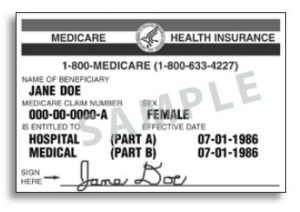 In a major change, the federal government has agreed to provide seniors who have chronic illnesses and disabilities with Medicare coverage for many services … even if those services will simply maintain the person’s present health status and aren’t likely to improve their condition.
  If you have original Medicare, then choosing which doctor you visit can make a big difference in how much you have to pay.


