Vickstrom Law

508.757.3800
Have a question? Give us a call.

Schedule Your Consultation
Would you like to meet with us?

  • Home
  • Practice Areas
    • Estate Planning in Massachusetts: Wills & Trusts
    • Massachusetts Health Care Proxy
    • Durable Power of Attorney in Massachusetts
    • Massachusetts Guardianship and Conservatorship
    • Massachusetts Special Needs Planning
    • MassHealth Applications & Nursing Home Planning (Medicaid)
    • Massachusetts Probate and Estate Administration
  • About
    • About Us
    • Our Accomplishments
  • Downloads
    • Questionnaires
    • Legal Guides
  • Articles
  • Contact
    • Schedule a Consultation
    • Contact Us
    • Location & Directions

Medicaid (MassHealth) Nursing Home Planning in Massachusetts

June 1, 2026 by lawclerk

The cost of nursing home care in Massachusetts can drain a lifetime of savings far faster than most families expect. That is why Medicaid nursing home planning in Massachusetts is not just a financial issue – it is a legal and family protection issue that often needs attention before a crisis begins.

Many people use the terms Medicaid and MassHealth interchangeably, and in Massachusetts, MassHealth is the Medicaid program that may help cover long-term nursing home care for eligible individuals. The challenge is that eligibility is based on strict financial and medical rules. Families are often surprised to learn that a parent may need care now, but qualifying for benefits is tied to income, assets, prior transfers, and documentation.

What Medicaid (MassHealth) nursing home planning in Massachusetts really involves

At its core, Medicaid nursing home planning in Massachusetts means preparing for the possibility that nursing home care may be needed and taking appropriate steps to protect as much of a person’s finances and property as possible. That can include reviewing countable assets, understanding which resources may be exempt, planning for a spouse who remains at home, and avoiding mistakes that can delay approval and cost families tens of thousands.

This is not a one-size-fits-all process. A married couple in Worcester may have very different planning options than a single applicant. The right strategy often depends on health, timing, family support, the type of assets involved, and whether care is needed immediately or may be needed in the future.

Why families get caught off guard

One of the biggest misconceptions is that Medicare will pay for long-term nursing home care indefinitely. Medicare does not pay for long-term nursing home care . Medicare coverage is limited and typically tied to short-term skilled care after a qualifying hospital stay. When someone needs ongoing custodial care, families often have to look to private funds or Medicaid (MassHealth).

Another common mistake is giving away money or transferring a home without understanding the five-year look-back period. Certain transfers for less than fair market value can create a penalty period that delays eligibility. A well-meant gift to children or grandchildren may create a serious problem if nursing home care becomes necessary sooner than expected.

Key legal and financial issues to review

A good planning review starts with a clear inventory of assets, income, and legal documents. Bank accounts, retirement funds, real estate, life insurance, and existing trusts all need to be evaluated carefully. So do powers of attorney, because if the right authority is not in place, a family may have trouble taking action when a loved one becomes incapacitated.

For married couples, preserving financial stability for the spouse living at home is often a central concern. Massachusetts rules may allow the community spouse to retain certain income and assets, but the calculations matter. Small errors in how accounts are titled, spent down, or disclosed can affect eligibility and create unnecessary stress.

The home also raises important questions. In some situations, a primary residence may be treated differently from other assets for eligibility purposes. That does not mean the home is automatically protected in every case. Estate recovery rules, ownership structure, and future planning goals all need to be considered together.

Planning before a crisis versus during a crisis

Advance planning usually creates more options. When families plan early, they may be able to use trusts, asset repositioning strategies, and updated incapacity documents to reduce future risk and improve flexibility. Early planning also gives families time to make decisions thoughtfully instead of reacting under pressure.

Crisis planning is different, but it is still often possible. If a loved one is already in a nursing home or is expected to enter one soon, there may still be legal strategies available to preserve some assets and move toward MassHealth eligibility. The options are narrower, and timing becomes more urgent, but late planning is not the same as no planning. The five year look-back period does not apply to last minute planning strategies for Medicaid (MassHealth) nursing home long-term care planning.

Why Massachusetts-specific guidance matters

MassHealth rules are technical, and the application process can be document-heavy with thousands of pages ultimately being included with the MassHealth (Medicaid) application. Families may need to produce years of financial records, explain transfers, verify income sources, and respond to agency requests within deadlines. Even when the basic goal seems simple, the details can become overwhelming and time consuming quickly.

Massachusetts residents also need to account for state-specific practices, local property issues, and probate and estate recovery concerns that may not be obvious from general online information. What worked for a friend or relative may not apply to your specific situation.

For that reason, many families benefit from working with an elder law attorney who can help them understand their options before making transfers, signing nursing home paperwork, or spending down assets in ways that cannot be reversed. At Vickstrom Law, PC, this type of planning is approached with the understanding that families are often dealing with both emotional strain and financial uncertainty at the same time.

The best first step is usually not rushing into a transfer or assuming there is no way to protect anything. It is getting clear advice based on the person’s health, assets, family situation, and timing. With the right guidance, nursing home planning can become more manageable, and families can make decisions with greater confidence.

Filed Under: Elder Needs, Emergency, Family, Longterm Care, MassHealth, Medicaid, Medicare, Nursing home, Uncategorized Tagged With: long-term care planning, MassHealth Planning, Medicaid, medicaid planning, nursing home planning

How to Prepare Financially for an Emergency

November 1, 2012 by Kristina

Massachusetts was recently struck by Hurricane Sandy, as was most of the east coast. We did pretty well here in Worcester and our hearts are with those who fared much worse than us in New York and New Jersey among other places.
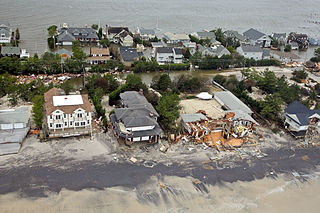
Devastation of Superstorm Sanda

Watching the devastation on television made me take action on two fronts, one: donate money to the Red Cross, and two: make sure my financial house was as ready for an emergency as my physical house was.

Here in Massachusetts we’re preparing for the snow storm season, so it is never too late to start.

For an emergency like the one the east coast just experienced experts recommend, among other things water and food to last about three days, cash and a tank full of gas (http://www.redcross.org/prepare).

What about our financial house? Let’s start with the most immediate needs and think about what should go into an emergency financial kit:

1.  Access to cash in an emergency

Keep information about all the accounts that could give you access to cash, this includes checking, savings, money market, and even home equity accounts. You will need the account numbers and contact information for the financial institution. Most often, a copy of a statement will have all the information you need.

You should also consider including a copy of all your credit and debit cards, both front and back. This will give you the information you need to pay in some cases, or to contact the institution should you need to.

2. Medical Information and Caregivers

Your emergency financial kit should also include information about your preferred medical providers. Having their contact information can ensure you are treated by your preferred provider in an emergency, and in some cases, save you money.

3. Insurance Information

Make copies of ALL your insurance cards. Home, car, medical, dental and prescription. If your home or vehicle are damaged, the insurance information in there may be damaged as well, also, if you end up having to evacuate and leave your home or vehicle, you will not want to return just to retrieve these.

Also make sure you have the contact information for your insurance company and agent. Often in an emergency where companies are swamped with requests, your agent can help you get through or connect you to other resources available to you.

4. Longer Term Investments

Your emergency financial kit should also include copies of paperwork documenting your investments accounts. Your investment accounts include IRA, 401(k), stocks, bonds, 529, or any other retirement or long-term savings account. Also include the contact information for any financial planner or planners who manage these accounts for you.

5. Your Estate Planning Documents

Your Will, Health Care Proxy, and Power of Attorney should always be in a safe place, but especially in an emergency. You should place your paperwork in your emergency financial kit, or the information on how to access them, whether they are with your attorney or a safety deposit box etc…

6. Accessing Your Financial Information online

If all the information for accessing you finances and any other important sites are safely locked away in your memory, you may want to consider including the websites and passwords in your emergency kit, or if you do not feel safe carrying that around, you can provide them to a trusted person who is out of harm’s way. This will allow your family to access important information or funds if you are incapacitated, or simply incommunicado.

With the winter upon us here in Massachusetts, and with the painful lessons the Northeast just learned fresh in our memories, now is a great time to look at your emergency plan. If you have not done much in the way of financial or estate planning, now is a good time to think about that as well, and whether your family would be protected in the worst-case-scenario. Call us to discuss your planning and the best way to protect your family in an emergency.

Filed Under: Durable Power of Attorney, Emergency, Emergency Preparedness, Health Care Proxy, Living Will, Wills Tagged With: Durable Power of Attorney, emergency, emergency preparedness, Health Care Proxy, will

Search by Category

508.757.3800
Get in touch with us.


Schedule a Consultation
Meet with us and learn more.

Vickstrom Law


Vickstrom Law, PC
Kristina R. Vickstrom, Esq.
255 Park Avenue, Suite 507
Worcester, MA 01609
508.757.3800


Change text size

Having trouble reading our site? Click below to make text easier to read!

Contact Us

Have a question? Give us a call.
508.757.3800

Would you like to meet with us? Schedule a Consultation

Want to leave us a review?
Review Vickstrom Law

Articles

Estate Planning for a Young Family in Massachusetts

Estate Planning for a Young Family in Massachusetts

May 29, 2026 By lawclerk

Image of a Social Security card, for Divorce, Remarriage, and Social Security article

Divorce, Remarriage and Social Security

September 10, 2018 By Kristina

Click here to visit our Article Library »

Copyright © 2000-2026 • Kristina R. Vickstrom, Esq., Vickstrom Law, PC. All rights reserved • Disclaimer • Privacy Policy

Copyright © 2026